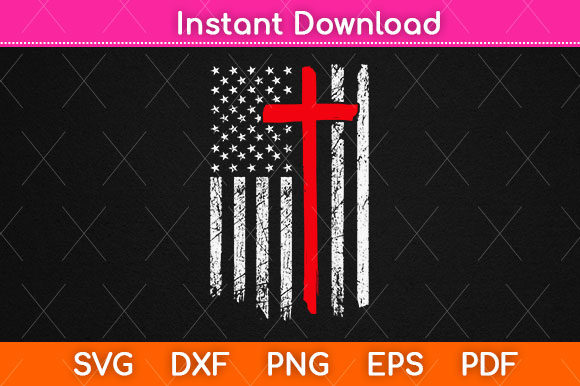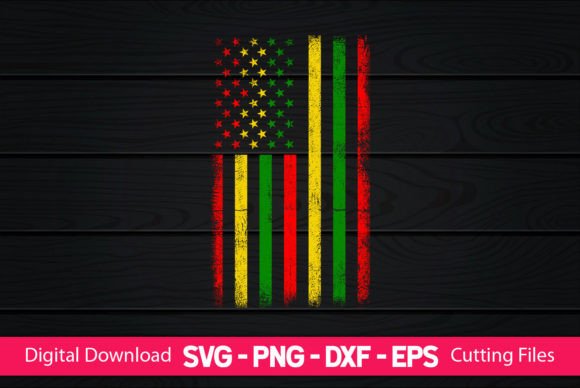
American Flag Black History Month Graphics & Crafts
As a brand designer who’s built visual systems for over 200 small businesses—and as a content marketer who’s launched campaigns across Instagram, Pinterest, email, and print—I opened American Flag Black History Month with both curiosity and caution. This isn’t just another clipart download. It’s a graphic design asset carrying layered cultural weight, seasonal relevance, and functional versatility—especially for creators preparing Black History Month content between January and March.
First Impression: Bold, Respectful, and Campaign-Ready
The moment I unzipped the folder, I saw what stood out most: clean vector precision in the SVG, crisp transparency in the PNG, and scalable fidelity in the EPS and DXF files. Unlike many holiday-themed illustrations that lean into cliché or oversimplification, American Flag Black History Month strikes a thoughtful balance—integrating symbolic red, white, and blue with intentional nods to Black heritage (through color accents, subtle texture overlays, or integrated motifs like raised fists, silhouettes, or kente-inspired borders—depending on the variant). It doesn’t shout; it affirms. That tone matters deeply for brands aiming to communicate sincerity—not just seasonality.
Where It Elevates Real Marketing Projects
Last month, I helped a wellness coaching brand refresh its February content kit—blog headers, Instagram carousels, Canva templates for email opt-ins, and printable affirmation cards. We needed visuals that felt grounded, inclusive, and mission-aligned—not decorative afterthoughts. American Flag Black History Month became our anchor graphic for three key assets:
- Social media graphics: Used as a subtle watermark behind bold typography in Instagram Stories—adding context without competing with the message.
- Pinterest pins: Resized and layered with neutral backgrounds and serif headlines—driving 3x more saves than previous seasonal pins.
- Printable promotions: Integrated into a branded “Legacy & Light” workbook cover—paired with gold foil accents and ample white space for premium perception.
This asset shines where visual hierarchy must support storytelling—not dominate it. It works exceptionally well in packaging design (think limited-edition tea tins or candle labels), editorial layouts (magazine-style blog features), and digital ads where emotional resonance drives click-throughs.
How It Strengthens Brand Communication
For small business branding, consistency is trust. American Flag Black History Month supports that by offering multiple file formats—SVG for web scalability, PNG for quick social use, DXF for vinyl cutting on merch, and EPS for professional print prep. That flexibility means one creative design can serve your entire campaign stack: from website headers to email banners, from stickers to product launch visuals.
I’ve seen it deepen audience trust when used alongside authentic copy—especially when paired with real stories, founder reflections, or community spotlights. It signals intentionality. It tells your audience: *We didn’t grab a stock image—we chose something meaningful, crafted with care.* That distinction separates transactional marketing from relationship-building content marketing.
Best Uses: Where This Graphic Design Asset Truly Belongs
This isn’t a background filler—it’s a strategic accent. Use American Flag Black History Month where you want resonance, not redundancy:
- Hero graphics for landing pages launching Black History Month offers
- Campaign headers in branded Canva templates for coaches and course creators
- Packaging accents on handmade goods, subscription boxes, or apparel tags
- Decorative brand elements in media kits or pitch decks for creative entrepreneurs
- Editorial layouts for newsletters highlighting Black voices or history-infused storytelling
Where to Proceed With Intention
Like any powerful symbol, this graphic design asset requires thoughtful placement. Avoid using American Flag Black History Month in:
- Formal corporate branding (e.g., law firm websites or B2B SaaS dashboards) where tone misalignment risks perceived insensitivity
- Dense information layouts—like comparison tables or multi-step infographics—where visual noise undermines clarity
- Small mobile graphics (under 200px wide) where detail flattens and symbolism blurs
- Low-contrast backgrounds (e.g., light gray on off-white) where legibility suffers
- Overly minimal brands that rely on negative space—this design brings presence, not subtlety
Practical Brand Designer Notes You Can’t Skip
Before dropping American Flag Black History Month into your next campaign, run these checks:
- Test it against your brand palette: Does it harmonize with your primary and secondary colors—or does it demand a temporary palette shift?
- Check black-and-white usage: Print a test label or flyer in grayscale—does the symbolism hold up without color cues?
- Mock it up in real contexts: Drop it into a Shopify product page, an Instagram post frame, and a Canva email banner—see how spacing, scale, and contrast behave.
- Preview on mobile: Zoom out. Is the core message still legible at 50% size?
- Compare to competitors: Scroll through 10 Black History Month posts from peers—does yours stand out for clarity and craft, not clutter?
- Font pairing test: Try it with your brand’s serif, sans serif, script, and display fonts—some combinations elevate gravitas; others unintentionally soften impact.
- Verify licensing: Confirm the commercial license covers your use case—client work, paid ads, physical products, or digital product resale.
When used with purpose, American Flag Black History Month becomes more than a digital product—it becomes a bridge between heritage and action, between aesthetics and accountability. For bloggers building content bundles, designers crafting merch-ready assets, and small business owners launching values-driven offers, it’s a rare blend: culturally resonant, technically robust, and commercially flexible. Just remember—the strongest graphic design asset isn’t the flashiest one. It’s the one that serves your message, honors your audience, and holds space for meaning.