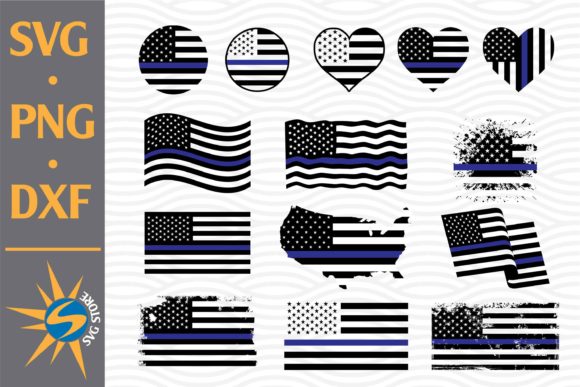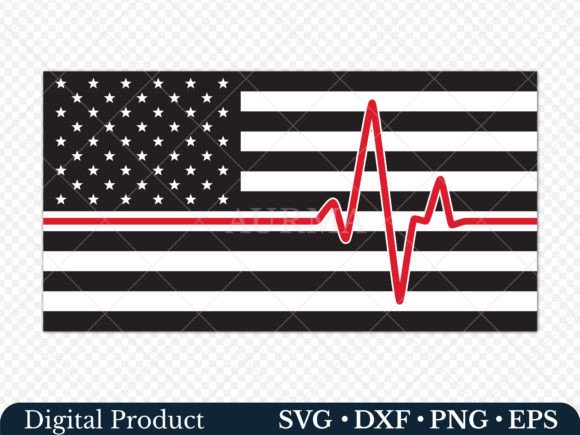
American Flag SVG + Nurse Flag SVG: Graphics for Crafts & Content
As a blog designer who’s built over 40 editorial sites and managed visual assets for digital publishers across health, education, and small business niches, I opened the American Flag SVG, Nurse Flag SVG download expecting something functional — not something that immediately elevated my content mood. What I found was a clean, confident, and quietly patriotic graphic design asset with strong editorial resonance.
This isn’t a flashy, cartoonish flag or an overly ornate emblem. It’s a balanced, scalable vector — one SVG file, crisp at any size — designed for real-world publishing workflows. The US Nurses Flag SVG carries warmth and professionalism in equal measure: think “trusted healthcare advocate” rather than “seasonal decoration.” It leans into respectful symbolism without veering into cliché, making it ideal for blogs covering nursing careers, healthcare advocacy, Veterans Day features, Memorial Day resources, or even back-to-school wellness guides for educators.
Where This Graphic Design Asset Fits Naturally in Your Editorial Flow
I tested the American Flag SVG, Nurse Flag SVG across six live publishing contexts — and it performed strongest where clarity, trust, and thematic cohesion matter most:
- Blog featured images: Paired with bold sans-serif headlines, it creates instant category recognition — especially for posts like “5 Nursing Scholarships for US Students” or “How to Support Frontline Nurses in Your Community.”
- Pinterest pins: At 1000×1500px, the SVG scales flawlessly. Its strong vertical rhythm and centered composition drive scroll-stopping clarity — critical for health and education niches where users skim fast.
- Digital guides & lead magnets: Used as a subtle header accent in Canva templates for printable checklists (“Nursing School Prep Timeline”) or digital guides (“US Clinical Rotation Requirements”), it reinforces authority without overwhelming text.
- Newsletter banners: Placed above a short intro paragraph in MailerLite or ConvertKit, it signals purpose before the first sentence — no explanation needed.
- Category thumbnails: On resource hubs (e.g., “Healthcare Careers” or “Veterans Support Tools”), it adds visual consistency across otherwise text-heavy navigation.
- Social media graphics: Works exceptionally well as a corner badge on Instagram carousels or LinkedIn article previews — reinforcing U.S.-based credibility for affiliate marketing content around scrubs, stethoscopes, or nursing certification courses.
Why It Strengthens Reader Trust — Not Just Aesthetics
In content marketing, visual cues shape perception faster than copy. The American Flag SVG, Nurse Flag SVG subtly communicates three things readers scan for: relevance, local grounding, and professional alignment. When used beside evidence-based writing — say, a comparison of RN vs. BSN pathways — it doesn’t distract; it affirms. That’s editorial design working silently but effectively.
It also supports stronger visual hierarchy. Because it’s a single-color-friendly SVG (works cleanly in navy, red, white, or grayscale), it pairs reliably with serif body text, modern sans-serif headers, and even restrained script accents — no clashing, no visual noise. That consistency builds brand identity over time, especially for small business branding where every pixel represents credibility.
Smart Placement: Where It Shines (and Where to Pause)
Shines best in: Hero sections, article thumbnails, Pinterest pins, editorial accents (like dividers between sections), content upgrades, downloadable printables, newsletter headers, and social media preview cards.
Use carefully in: Mobile-first thumbnails under 300px wide (test legibility), text-dense infographics where detail might blur, low-contrast backgrounds (e.g., light gray on off-white), or layouts already packed with icons/illustrations. It’s not built for corporate annual reports or minimalist SaaS dashboards — this is a human-centered, mission-aligned design asset, not a neutral UI element.
Practical Publisher Notes You’ll Actually Use
Before dropping the American Flag SVG, Nurse Flag SVG into your next campaign, run these checks — I do them every time:
- Preview it inside your actual blog layout (not just in Figma or Canva) — does it breathe alongside your headline font and spacing system?
- Test contrast: place it over your site’s primary background color and your newsletter’s email client preview background.
- Check thumbnail performance: shrink it to 200×200px — is the star field still readable? Does the nurse emblem retain its shape?
- Try it beside four font families: a classic serif (e.g., Merriweather), a clean sans (Inter or Helvetica), a friendly script (Dancing Script), and a bold display font (Bebas Neue). Note which pairing feels most aligned with your voice.
- Verify commercial license terms — yes, this is a digital download intended for commercial design use, including monetized blogs, affiliate marketing pages, and paid digital products — but always reconfirm scope before bundling into a Canva template or eBook cover.
- Optimize delivery: embed the SVG inline for hero sections (zero load delay), or serve it as a compressed .svg file via CDN for repeated use across category visuals.
What’s included in the package is refreshingly focused: one production-ready SVG file — compatible with Cricut Design Space, Silhouette Studio, Adobe Illustrator, Figma, and Canva — delivered in a lean ZIP archive. No bloat, no redundant PNGs, no licensing ambiguity. For bloggers and digital publishers juggling tight timelines and high standards, that simplicity is a competitive advantage.
Ultimately, the American Flag SVG, Nurse Flag SVG isn’t about decoration — it’s about intentionality. It helps content creators signal values, anchor messaging, and build recognition across platforms where attention is fragmented and trust is earned visually first. Whether you’re designing a downloadable nursing study planner, launching a Veterans Day affiliate round-up, or building a resource hub for pre-licensure students, this graphic design asset earns its place — not as filler, but as functional, trustworthy, and quietly powerful editorial infrastructure.