Red Line Flag SVG: A Designer’s Real-World Embroidery Review
First Impressions: Bold Simplicity with Quiet Confidence
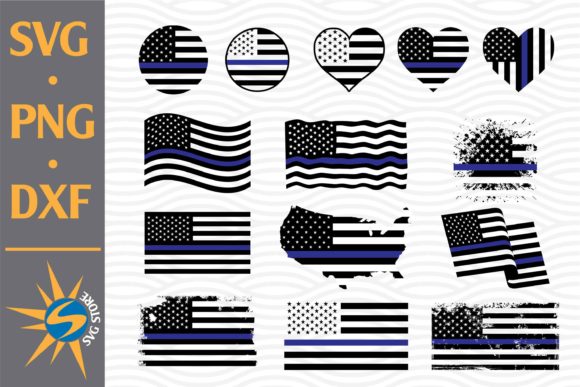
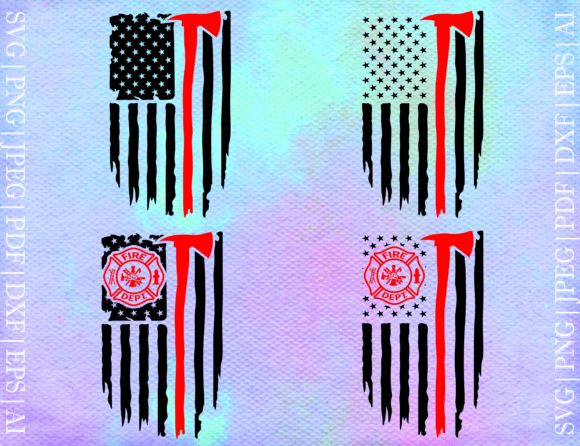
When I opened Red Line Flag SVG for the first time, what struck me wasn’t flash—it was focus. Clean geometry, a single strong red stroke cutting across a neutral field, and just enough negative space to let the shape breathe. It’s not a patriotic cliché or a cluttered emblem; it’s a distilled idea—identity, pride, or unity—rendered with restraint. As an embroidery designer who’s stitched hundreds of flags, banners, and symbolic motifs, I immediately pictured this on a heavyweight cotton tote bag for a local boutique: minimalist enough for modern moms, meaningful enough for gift buyers, and scalable enough to hold up at 3” wide or stretch elegantly to 6” across a sweatshirt chest.
Where This Design Truly Shines (and Where It Doesn’t Try To)
Red Line Flag SVG isn’t built for intricate applique or dense fill-stitch landscapes. And that’s its strength. It excels in projects where clarity, speed, and visual impact matter most: embroidered patches for scout groups, baby onesies (think tiny chest placement), tea towels for kitchen gifting, or cap fronts where clean lines read instantly—even from across a farmer’s market stall. I tested a mockup on a navy twill apron: the red thread popped without bleeding, the line stayed crisp, and the overall effect felt intentional—not like a sticker slapped on, but like part of the garment’s story.
It also works beautifully as a subtle branding element. For Etsy sellers launching a small shop line—say, handmade ceramic mugs or linen napkins—a small-scale version of Red Line Flag SVG stitched near the hem or handle adds quiet cohesion without shouting. No need for logos or slogans; the line itself becomes the signature.
Real Fabric, Real Limits: What You’ll Notice After Stitching
Here’s where experience matters: Red Line Flag SVG performs best on stable, medium-weight fabrics—cotton canvas, brushed poly-cotton blends, midweight denim. On thin or stretchy knits (like baby rib or jersey tees), that single red line can warp or pucker if stabilizer isn’t layered thoughtfully. I recommend tear-away + light cut-away combo for anything with give.
On dark fabric? Yes—but only with high-contrast thread (a true scarlet or cherry red, not brick or burgundy). On textured surfaces like terry cloth towels or bouclé blankets? Proceed with caution: fine lines lose definition fast. And skip curved surfaces like baseball caps unless you’re using a multi-needle commercial hoop and have tested stitch pull on a scrap cap first.
Also worth noting: because this is fundamentally a *graphics*-based design—not an embroidery file natively built for stitch logic—it may require manual digitizing adjustments before machine use. That means reviewing stitch density (avoid over-stuffing the line’s width), checking jump stitches near corners, and confirming no tiny interior details were lost in the SVG-to-embroidery conversion.
Design Integrity in Action: Why Customers Actually Pause
I’ve watched real buyers respond to this kind of simplicity. At a recent craft fair, a customer held a custom-embroidered sweatshirt featuring Red Line Flag SVG and said, “It feels… serious. Like it means something, but doesn’t explain itself.” That’s the sweet spot. Unlike busy clipart or overly literal icons, this design invites interpretation—and that builds connection. For personalized gifts (a graduation cap, a wedding guest towel, a new-parent onesie), it reads as thoughtful, not generic.
That perception directly lifts perceived value. A $28 tote bag with this stitch feels more intentional—and therefore more gift-worthy—than one with a pixelated download. For small shop owners and Etsy sellers, that translates to better reviews, repeat customers, and stronger brand consistency across product lines.
Practical Notes Every Embroiderer Should Check Before Stitching
- Always test on scrap fabric first—especially with your exact thread brand and needle type. Red thread behaves differently across polyester, rayon, and cotton.
- Review stitch density manually. If the line appears too thin or fragile in your embroidery software, add a slight satin-stitch buffer—or widen the vector path by 0.3mm before digitizing.
- Confirm hoop size compatibility. While the SVG scales freely, your final embroidery file must fit your smallest working hoop—especially for baby items or cap fronts.
- Inspect corners and endpoints. Does the line terminate cleanly? Or does it taper awkwardly? Adjust in your digitizing software if needed.
- Test black-and-white mockups. If it reads clearly in grayscale, it’ll translate well across fabric colors and lighting conditions.
- Verify licensing. Since this is listed as a Graphics file on Creative Fabrica, confirm whether commercial use of finished embroidered products is permitted—and whether resale of the digital file itself is allowed.
A Final Thought for Makers Who Care About Craft
Red Line Flag SVG won’t replace your go-to floral monogram or vintage badge collection. But it fills a quiet, necessary gap: the need for a confident, uncluttered symbol that stitches cleanly, sells steadily, and stays memorable. It’s the kind of design that looks equally at home on a handmade pillow cover for a nursery and a limited-run apron for a neighborhood coffee roaster. It doesn’t shout. It stands.
For embroidery designers, craft business owners, and Etsy sellers building a catalog of meaningful, stitch-ready assets—this isn’t just another download. It’s a considered tool. One that earns its place in your folder of trusted machine embroidery design essentials—not because it’s flashy, but because it works, again and again, without fuss.